

First impressions start with a clean slate
When a crew walks into a worker dormitory, the air should feel neat, the floors gleam, and the corridors whisper of order. A steady routine makes upkeep possible in tight spaces with shared facilities. Start with a quick audit: note high-touch areas, corners that trap dust, and the spill-prone zones by kitchens and baths. Use Worker dormitory clean a simple daily cycle—wipe, sweep, mop, and ventilate. The goal is less about perfection and more about consistency. A practical plan keeps residents safe, cuts complaints, and turns a long workweek into something a notch brighter, a little easier to live in, day after day.
Elevate the basics with a unified cleaning language
In a busy dormitory, having a clear language for cleaning tasks matters. Each room and corridor benefits from the same routine, so staff move with confidence. The emphasis falls on tangible steps: dust shelves, wipe sockets, disinfect shared counters, and schedule weekly deep cleans. Using a consistent process Floor Chemical clean reduces mix-ups and speeds up turnover for shifts. A practical approach builds trust among residents who see effort reflected in the neatness of kitchens, bathrooms, and sleeping areas, making the whole space feel calmer and more hospitable after long shifts.
A practical plan for durable surfaces and safe products
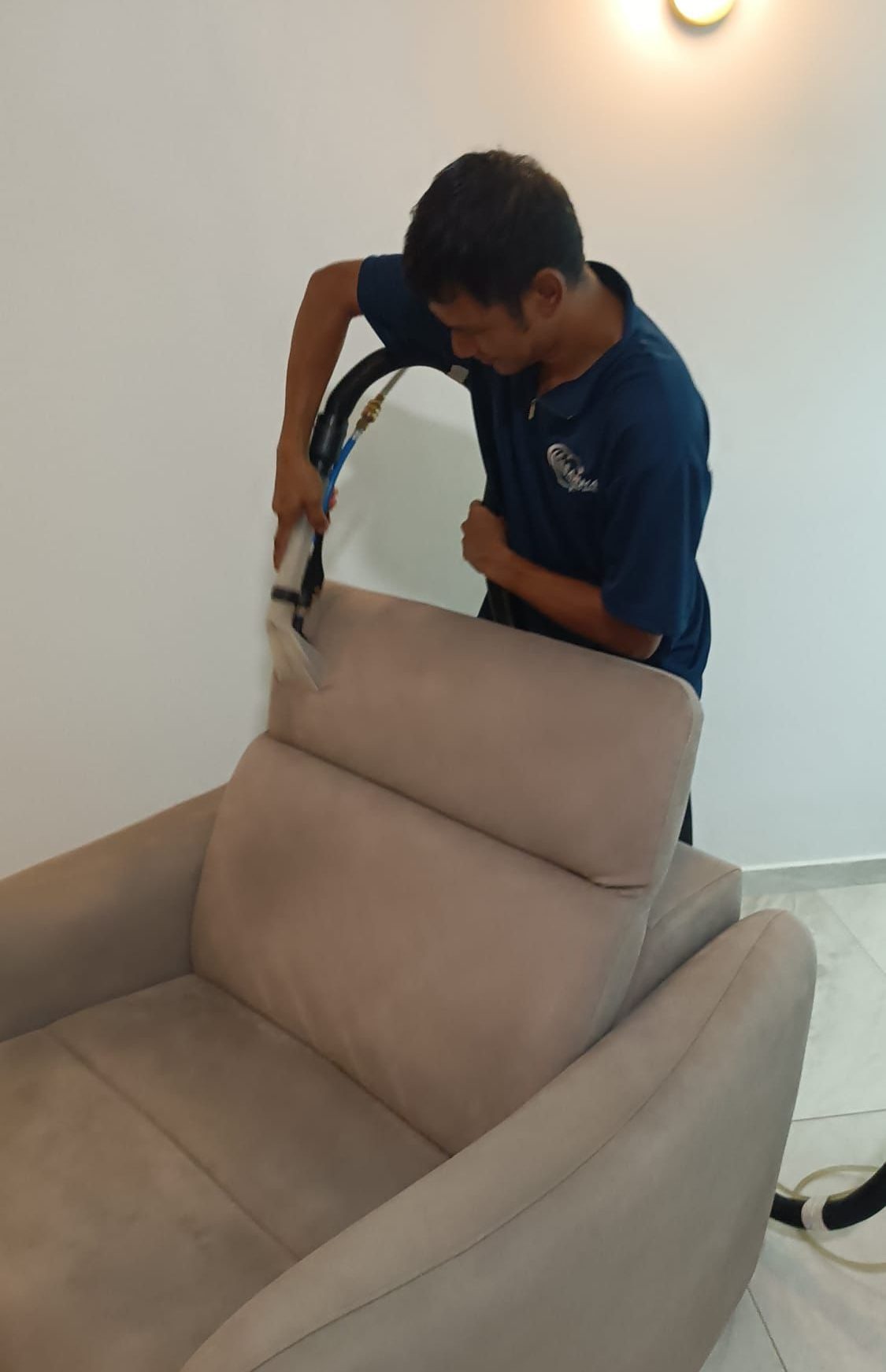
A durable cleaning strategy relies on products kept in labelled bins, with clear safety data at hand. For daily upkeep, choose gentle detergents that leave no sticky residue, and reserve stronger cleans for stubborn grime in bathrooms. Carpeted zones benefit from light vacuuming and spot treatment, while hard floors demand a dependable mop system and a quick dry post-clean. Staff should track usage trends, rotate supplies to prevent shortages, and document when deep cleans are performed. The result is a dormitory that looks cared for and feels safer to live in.
Training that translates into real results for residents
Effective training focuses on practical skills, not long seminars. Trainees observe a live clean of a corridor, learn to cut corners only when safe, and build muscle memory for a steady rhythm. When workers master time-saving checks and anti-slip reminders, the building runs smoother. Residents notice the clarity in announcements, the speed of response to spills, and the careful handling of shared equipment. With a grounded, no-nonsense style, the team earns respect and keeps the space healthier, day after day.
Conclusion
Clean, orderly spaces in worker dormitories don’t happen by accident; they’re the product of disciplined routines, smart product choices, and constant attention to touchpoints that matter most to daily life. The aim is simple: create an environment where every resident feels comfortable, safe, and respected as they rest between shifts. Regular communication, dependable supplies, and a taught workflow turn routine cleaning into a visible signal of care. In the end, the impact goes beyond appearance, shaping mood, productivity, and the sense of community that sustains a busy workforce in the long run.