

First impressions and practical checks
Stop and think about what keeps a building safe when heat or smoke alarms scream. A steady rhythm of fire sprinkler inspection services matters more than most realise. Some firms book quick, cursory tours; others run through a thorough, note‑every‑drain exam, testing heads, pipes, and clogs for proper flow. From stairwells to fire sprinkler inspection services plant rooms, the goal is a clear, verifiable status sheet. Clients should expect a detailed report with findings, photos of any corrosion, and a plan for repairs. When plans align with codes, a facility breathes easier and occupants move with confidence through the day.
What to expect from the team on site
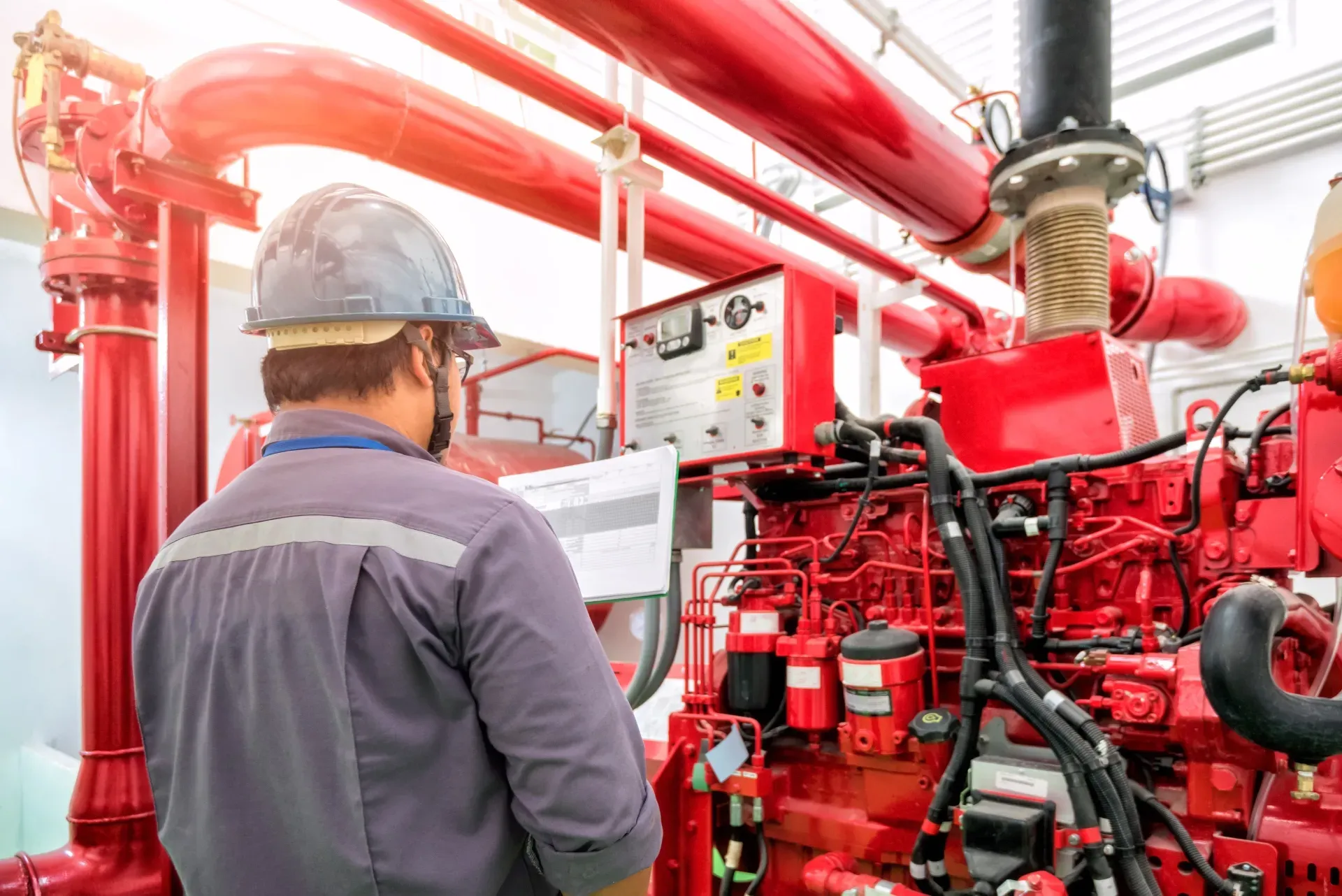
On a typical visit, a technician will visually inspect each sprinkler head, verify pressure, test alarms, and confirm that backflow preventers function. The best crews document the process in plain language, noting the date, model numbers, and any deviations from standards. They bring calibrated gauges and Emergency fire sprinkler repair NJ LED borescopes so issues aren’t guesswork. A clean, organised approach saves time and reduces risk. This is where experience shows: fast, careful, and precise work that leaves no stone unturned about readiness for the next demand on the system.
Preventive steps that slash downtime
Maintenance isn’t glamorous, yet it pays for itself by cutting response times and avoiding costly outages. A well‑planned schedule targets seasonal testing windows and local regulations. The best teams offer clear cadences—annual inspections, six‑monthly function checks, and post‑event reviews after any incident. They coordinate with building managers, security, and facilities teams so valve positions, drainage, and wires stay aligned. The practical outcome is fewer emergency calls, quieter alarms, and a building that behaves predictably when the worst hits.
How documentation supports safety and compliance
Thorough records matter as much as the hardware itself. Reliable documentation records pressure ratings, hydrostatic tests, and every adjustment made under supervision. It helps present auditors with a neat trail that proves compliance with local and national standards. The right provider gives a digitally accessible log, ready for insurance reviews or facility management meetings. When teams can retrieve a full history instantly, responses to questions about readiness become straightforward and credible, not evasive or defensive.
Emergency considerations and rapid response plans
Emergencies test the resilience of a fire protection system. If a crisis emerges, a ready team should react with clear actions, immediate isolation of faults, and a plan to restore service quickly. An experienced contractor will map out escalation paths, spare parts access, and a route to temporary fixes that keep life safety intact while permanent repairs are arranged. That preparedness reduces panic and buys time for occupants to evacuate, while building management coordinates with authorities to confirm the system’s return to full operation as soon as possible.
Conclusion
In the end, safety hinges on steady oversight and the discipline to follow a careful routine. The right partner offers hands‑on assessments, transparent reporting, and a willingness to tailor service to a building’s specific needs. From small offices to large facilities, proactive checks, timely repairs, and consistent communication create a shield that stands up to heat, pressure, and the unexpected. By keeping systems in peak shape, managers protect lives, protect assets, and uphold the trust of everyone who relies on a dependable fire protection network. The lasting impact is not just compliance; it’s confidence that safety remains a quiet constant through the busy days and the rare high‑stress moments alike.