

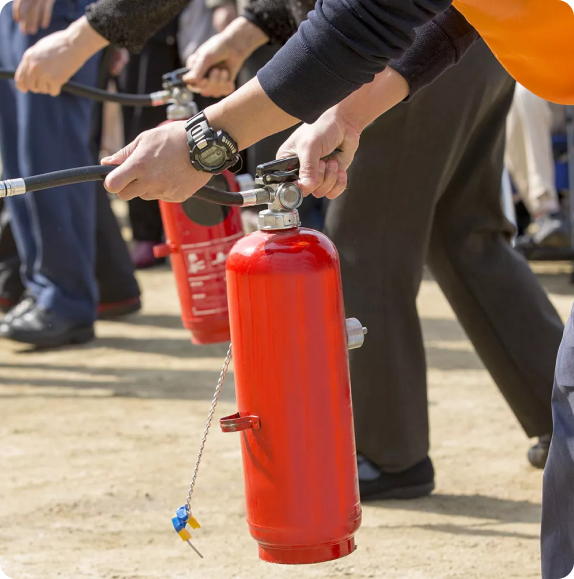
Protecting people and property with trusted fire systems
In busy facilities around New Jersey, fast, reliable safety gear is not just nice to have; it’s essential. The right system fits the space, the load, and the risk. Industrial kitchens, hospitals, and schools each demand careful planning plus regular checks. When a building manager visits to review safety measures, clear, Ansul Systems NJ actionable notes beat vague assurances. The aim is simple: a plan that works when the alarm sounds, not one that gathers dust on a shelf. Local regulations shape the baseline, yet real-world needs drive the smallest details from nozzle placement to maintenance access.
How Ansul Systems NJ stands out in real life service
isn’t about hype; it’s about dependable protection for high-fire risk settings. From storage rooms with flammable solvents to mechanical bays full of oily gear, the system must respond instantly and precisely. Technicians learn the quirks of each site—airflow, plenum layout, and ceiling Exit sign repair New Jersey height—so that the system’s detection and suppression actions align with actual risk. A practical approach means testing the system in stages, confirming hydraulic pressure, ensuring compatibility with discharge nozzles, and documenting every adjustment for future safety reviews.
Practical steps for keeping extinguishing gear ready
Regular checks fuse common sense with lab-grade care. Visual inspections catch obvious wear, while coil tests verify that the system holds pressure and the release valves sit true. In busy facilities, a simple, repeatable routine beats sporadic, longer shutdowns. Log books become the memory of the site—who tested what, when, and what was found. Quick fixes are preferred, but knowing when to call in licensed pros saves time and reduces risk. A well-documented schedule keeps staff confident and facilitates audits without drama.
Why signage matters and how to safeguard it
Exit sign repair New Jersey is not a cosmetic concern; it’s essential for safe egress. A sign that’s dim or flickering can slow people down when minutes matter. The goal is legible, reliable indicators above every doorway and along escape routes. Maintenance should include clean mounting, battery checks, and prompt replacement of failing lamps. In corridors with heavy footfall, signs must align with current building codes and remain visible under normal and emergency lighting. A small fault now can become a costly delay later, especially in mixed-use sites with visitors and staff moving through at all hours.
Coordinating safety upgrades with building operations
Coordinating fire safety with daily operations means keeping teams aligned and informed. Facilities managers juggle vendors, codes, and budgets while preserving access for maintenance crews. The right partner translates complex standards into straightforward actions: lead times for parts, service windows that avoid peak hours, and clear handoffs for after-hours emergencies. When vendors document work with photos and measurements, the building gains a living record rather than a bundle of disparate notes. This approach lowers friction during inspections and makes safety improvements easier to justify to a board or council ahead of any renewal cycle.
Conclusion
In the end, a facility’s safety profile rests on practical, repeatable steps that stay visible to staff and auditors alike. Concrete checks, timely repairs, and hard-won familiarity with the space keep risk at bay, while calm, consistent communication reduces confusion when the night shifts roll in. The approach balances thorough technical due diligence with a clear, actionable path for day-to-day care. A well-supported maintenance plan proves its worth not just in compliance paperwork, but in the quiet confidence that comes from knowing that people can evacuate smoothly and systems will respond when it matters most.