

Everyday cues shaping how we notice others
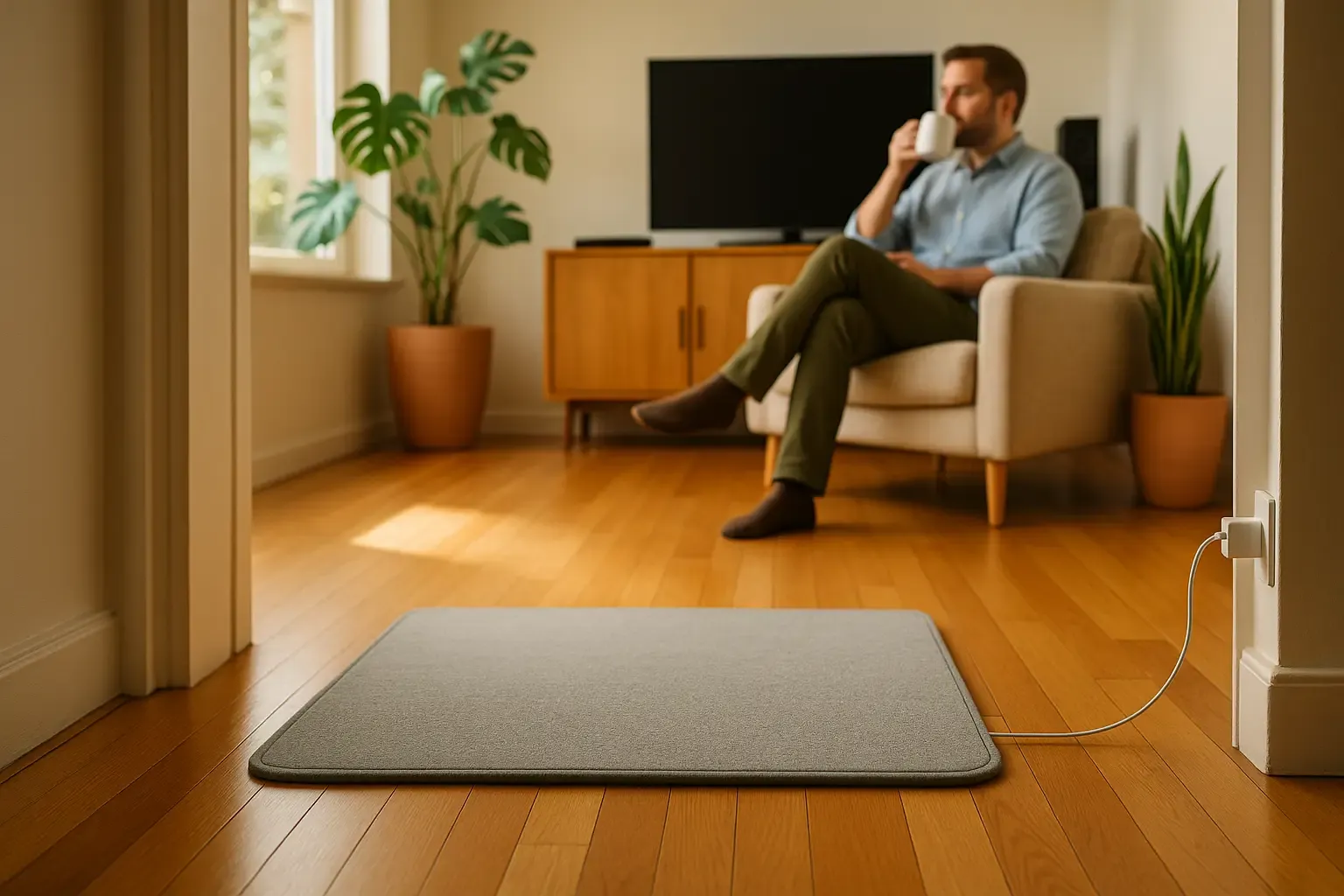
Tracking presence isn’t about watching every move. It’s a pantry door that closes softly when a room is empty, a light that wakes as someone steps in, the steady tick of a door sensor that updates a family calendar. It feels human when systems learn the rhythm of a home—someone comes home late, a kettle hums on tracking presence at dawn, a pet pads by the stairs. The idea is to map who’s around with minimal fuss, so routines stay smooth and no one trips over an unmade plan. Practical sensing hinges on reliable data, not loud alarms, and a calm backbone that fades into daily life.
What makes a setup feel like part of life, not a gadget
In a quiet corridor of a busy house, a smart light might switch on when a person enters, or a thermostat nudges up a degree as someone walks by. This is not about surveillance or sterile dashboards; it’s about context. A well-tuned system recognises who is present and adjusts ambient conditions—lighting, climate, smart home even music—without asking for a dozen confirmations. The payoff is a home that breathes with the people in it, not a detached lab display. The aim is to blend smart decisions with everyday comfort, so a person notices fewer knobs and more convenience.
How presence data helps energy and safety without nagging
Tracking presence can trim waste with intelligentrules: lights off when rooms sit idle, heaters only when someone’s nearby, and outdoor cameras that focus on the path just after dusk. The trick is to be decisive, not domineering. If a corridor camera learns a family routine, it can nudge security alerts only when irregular activity appears—say, a door left ajar mid-evening. The practical side means clear options to review or override, so residents don’t lose control. It’s not about monitoring every step, but about knowing when the odds tilt and acting with quiet competence.
Design choices that keep the system friendly and private
The backbone rests on transparent rules. A smart home should show where data stays local, what is shared, and for how long. Simple dashboards with icons beat jargon, letting family members spot a mismatch at a glance. Sensor placement matters: a few well-placed activity sensors beat a zoo of devices that muddy the signal. The human touch shows when devices speak in straightforward language, not in buzzwords. In this frame, privacy isn’t an afterthought but a feature that adds confidence and trust at every turn.
Practical steps to start a thoughtful presence project
Begin with a room-by-room map, noting what matters most: comfort, safety, or efficiency. Install a handful of core sensors—motion, door, and temperature—then layer in a couple of priorities, like a routine wake-up scene. Monitor how people actually move through spaces for a week, then tune rules so they feel natural, not forced. It helps to test one change, wait, and iterate. The goal is a system that learns without fuss, saving energy and smoothing daily life, while keeping control firmly in hands that know the house best.
Conclusion
A well crafted approach to tracking presence in a smart home creates a seamless lived experience. It respects daily patterns, nudges comfort just enough, and champions privacy alongside practicality. When the setup aligns with real life—timely lights, efficient climate, and thoughtful alerts—the home feels attentive without being invasive, and routines glide instead of grinding to a halt. This is the heart of modern living: devices that understand enough to help, yet never take the stage from the people who inhabit the space. The result is a home that works with people, not the other way around, inviting calmer days and fewer little frictions in daily life.