

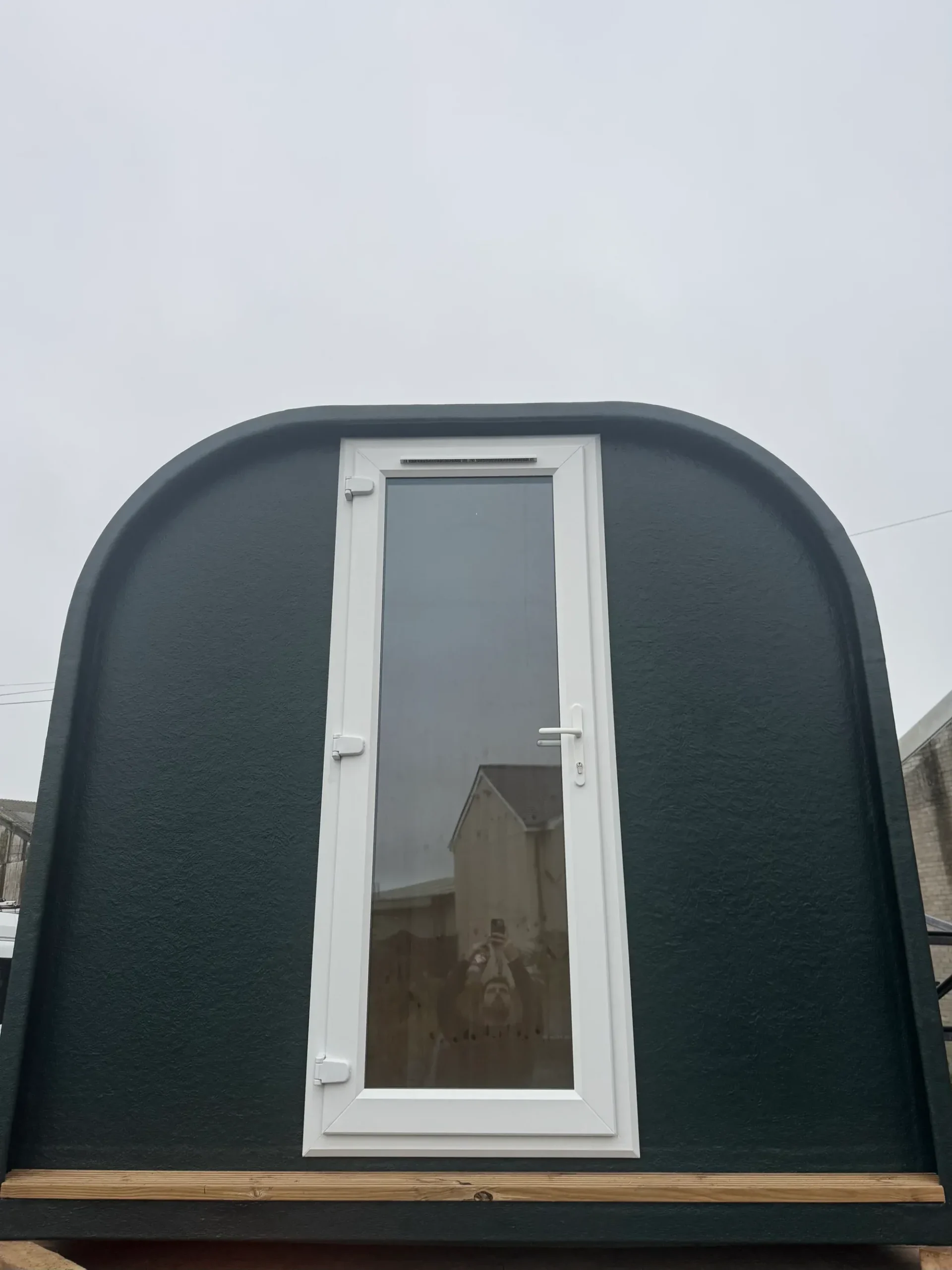
Sanctuary in a small footprint
Garden pods offer a clever blend of form and function. Builders keep the footprint tidy, the joints tight, and the finish durable in British weather. For homeowners, the lure is clear: a compact retreat that doesn’t loom over the lawn. Inside, timber frames and insulated walls hold warmth in winter and cool garden pods air in summer, turning a bare corner into a usable room all year. When a garden pod sits between shed and fence, it feels like a friendly neighbour that quietly boosts value and daily comfort without crowding the garden a second longer than needed.
Design that respects the plot
A well placed garden office pod respects sun paths, shade, and local views. It tucks behind a border and aligns with the house eaves to capture light without glare. The glazing is chosen for energy efficiency, with low-emissivity glass that reduces heat loss. Finishes lean on natural timber garden office pod or muted composite panels, so the pod blends with surrounding greenery rather than shouting for attention. The result is a space that reads as an extension, not a stand-alone prop, keeping the garden’s rhythm intact while adding a private, productive nook.
Durability for British drizzle
The practical side of garden pods shines in wet weather. Roofing uses pitched or flat systems with robust sealants, and the cladding resists mould in damp air. Inside, vapour barriers stop damp creeping into walls, and the floor is finished with a wipe-clean layer that shrugs off muddy boots. A solid base frame keeps the pod level on uneven ground, while stainless fittings resist corrosion. Homeowners can rely on longevity rather than frequent repairs, so the pod remains a faithful corner of the property with minimal upkeep.
Practical set‑ups that spark creativity
Turning a garden office pod into a daily workspace is about doors, desks and natural light. A simple layout places a compact desk near a window to capture morning sun, with a chair that swivels toward a wall of shelves. Acoustic panels soften footsteps and phone calls, while a compact heater and efficient fan keep climate steady. Connectivity matters: a reliable router, a power strip, and a spill-free kettle for breaks. When the space breathes, ideas follow. This pod becomes a calm, focused zone that doesn’t intrude on the rest of the home.
Sound, shade and sightlines in balance
Inside garden pods, sound control is tangible. Rugged floors, soft textiles, and careful door seals cut street noise and garden chatter, while external shading protects from glare. Lighting schemes mix warm LEDs with daylight cues to keep energy gentle yet practical. The garden’s scent slips in through open doors, and a small plant row along the sill keeps the skin of the space alive. For many, this is the sweet spot: a retreat that feels part of the garden, not a separate box, yet delivers the quiet needed for work or rest.
Conclusion
In every detail, the idea of a garden pod feels honest and useful. The compact footprint, smart energy choices, and custom layouts turn a simple garden into a second room that respects both space and style. The garden office pod variant adds a dedicated work zone that blends with the home and yard, giving weekends a new rhythm and weekdays a steady, private corner. It’s not about filling the garden with more stuff, but about drawing a line that marks a real place to think, create, and unwind. A well-chosen pod stays useful long after the initial buzz fades, quietly elevating daily life without changing the land you tend.
If you're considering upgrades for your outdoor space, professional Railing Installation Rockland NY can make a significant difference in both safety and aesthetics. Quality railings not only enhance the look of your property but also provide the sturdy support needed for decks and stairs. It's great to see local experts
Finding reliable and thorough House Cleaning Orange County services can truly transform your living space. It's impressive how professional cleaners pay attention to detail, ensuring every corner shines and contributes to a healthier home environment. For anyone looking to maintain a spotless and welcoming house, investing in top-quality House Cleaning
Great insights on the benefits of floor sanding! Refinishing your floors can truly transform the look and feel of your home, making spaces brighter and more inviting. It’s amazing how a professional floor sanding job can remove years of wear and tear, revealing the natural beauty of the wood beneath.
It's great to see such detailed insights on bathroom renovation services. A well-executed bathroom renovation can truly transform the space, improving both functionality and aesthetics. Choosing the right professionals ensures quality workmanship and materials, making the investment worthwhile. Thanks for sharing helpful tips that highlight the importance of planning and