

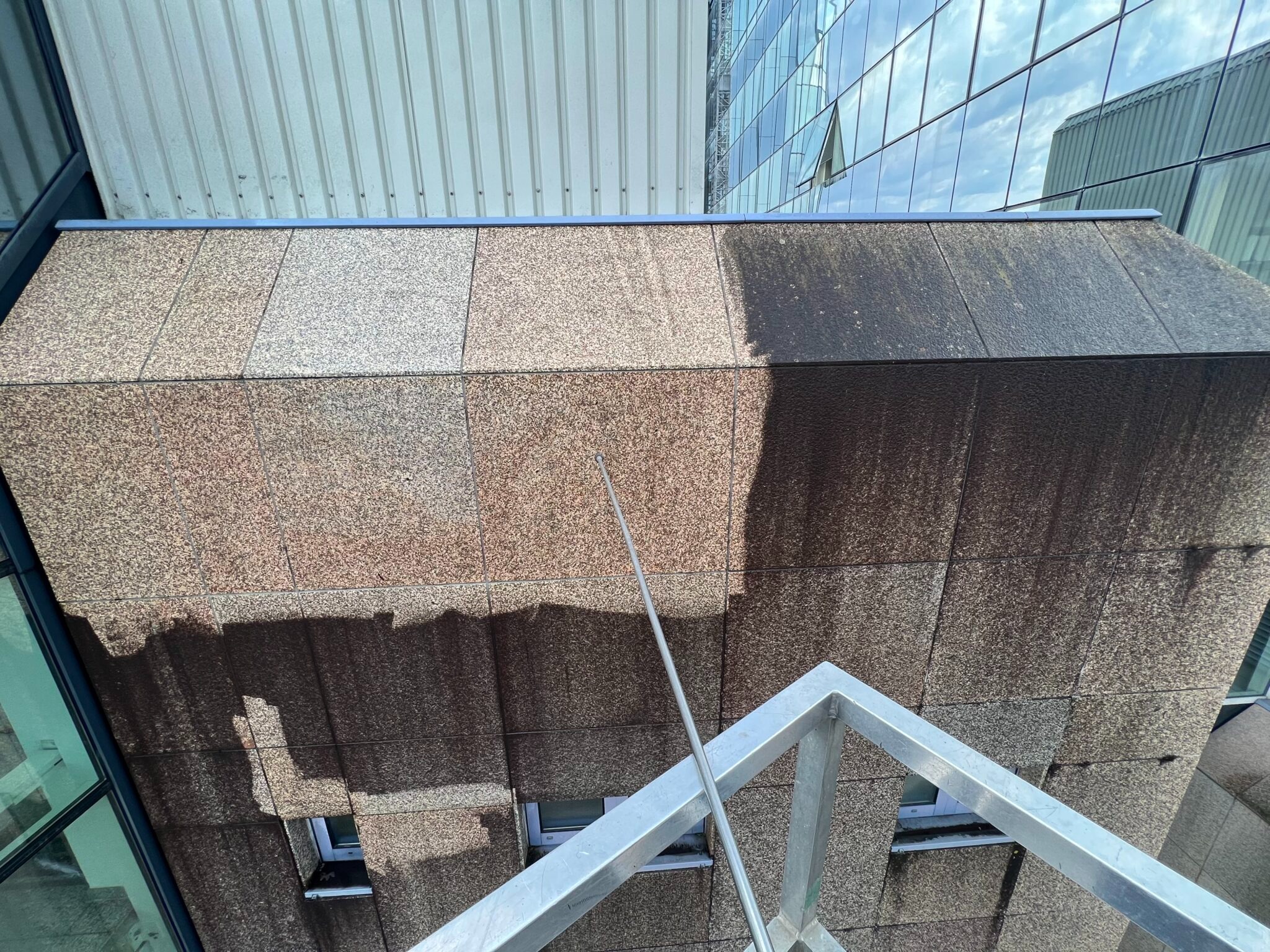
First impressions on cleaning a building’s skin
When a building gains a weathered look, the temptation is to reach for a power washer and blast away every stain. Still, careful steps matter. For real results, the path starts with assessing materials and era. A careful plan avoids peeling paint, loosened render, or ghost stains that return in weeks. The focus Reinigung von Hausfassaden here is on a clear, practical path that respects brick, timber, and stone alike. The core idea is steady, thoughtful work over brute force, with safety as a constant companion and a note of curiosity about what the old surface is willing to reveal.
The key step by step: assess, plan, test
Before touching a surface with soap, observe how it breathes and ages. The plan for Reinigung von Hausfassaden should hinge on material compatibility, not on speed. Start with a small test patch to gauge reaction to a gentle detergent and soft brush. If uniform fading or efflorescence shows, stop and adjust. This section centres on process, not gadgetry, because durable results spring from appropriate cleaners, correct dilution, and controlled agitation. A careful tester reads the substrate like a quiet map and guides every next move.
Choosing the right cleaners without wrecking texture
Detergents come in many forms, but only some are kind to masonry and wood. For Reinigung von Hausfassaden, a neutral pH cleaner with low foaming is often kinder than harsh acids. Pressure setting matters: too high blows away surface fibres; too low won’t shift grime. A soft brush, not a wire one, keeps the texture intact. In practice, the best cleaners lift dust, mould, and organic stains while preserving colour. The goal is a cleaner look that respects age and patina while preventing new staining from seeping back into pores.
Rinsing and drying: the quiet part of resilience
Rinsing must follow every cleaning pass with clean water at a moderate pressure. This keeps salts from residues that later crystallise and yellow the brick or render. Drying time matters: surfaces should shed water quickly to avoid damp pockets that invite mould. A well-timed rinse reduces streaks and helps the wash stay even. After rinsing, observe with fresh eyes; a damp sheen can hide a need for a second touch, always done with restraint and respect for the material’s limits.
Maintenance mindset: how to keep results longer
Maintenance is the unseen partner to a good clean. The approach for Reinigung von Hausfassaden should include seasonal sweeps with soft brushes and damp cloths, not harsh scrubs. Regular early checks pick up moss, discolouration, and salt bloom before they dominate a wall. A well-planned schedule—coupled with proper drainage and gutter upkeep—extends the life of a façade, keeps paint bonds intact, and lowers the chance of damp in the structure. Real gains come from sticking to gentle routines and informed, mindful interventions that fit the building’s age and climate.
Conclusion
A thoughtful, materials minded method transforms façades without drama. By combining careful assessment, selective cleaners, and restrained rinsing, walls regain clarity while preserving history. The approach avoids damage, respects texture, and builds confidence for the next cycle of care. For homeowners and managers alike, a durable result rests on timing and touch as much as on product choice. It is possible to see concrete brightness without sacrificing the surface story. For those seeking a trusted path, the guidance from facades specialists remains grounded in proven steps and practical know‑how, with real clients often reporting steadier appearances over years. This careful care is what keeps a building honest to its age and purpose, and the practical ethos behind isto practice matter in the long run in partnership with the team atfassadenklar.de