

Navigate practical workflows with modern tools
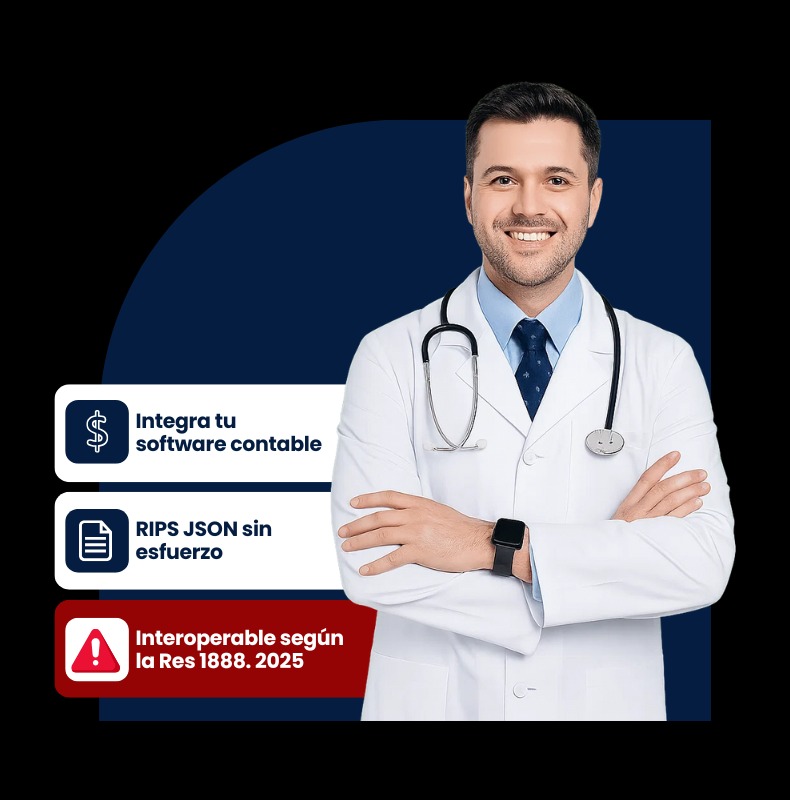
Software Médico Colombia enters clinics as a steady hand, shaping how data moves from patient intake to discharge. It’s not just about storing notes; it’s about making every step faster and clearer. Front desk staff, nurses, and doctors all win when the system guides them to the right form, the right field, the right Software Médico Colombia template. The goal is to cut clicks, reduce errors, and keep care focused on people, not paperwork. In many setups, the right platform becomes a silent partner, giving admins a reliable audit trail and clinicians quick access to histories, tests, and decisions in real time.
Why a dedicated platform matters for records management
Software médico para registros médicos brings structure to a chaotic day in a busy health center. A strong system enforces consistent data entry rules, so patient histories look the same across visits. It supports coding for diagnoses, prescriptions, and imaging, while offering role-based views that keep sensitive data in Software médico para registros médicos the right hands. The best options also integrate reminders for follow-ups, lab results, and medication reviews, which helps reduce missed care. It’s not about gadgets; it’s about reliable, clean records that travel with a patient through any clinic in the country.
- Unified patient identifiers that prevent duplicates.
- Templates aligned to local guidelines to speed notes.
- Automated alerts for drug interactions and allergies.
Choosing a platform that fits the clinic’s cadence
When selecting a system, clinics look at speed, uptime, and the strength of local support. A good fit handles patient portals, e-prescriptions, and simple data exports for reporting. It should also offer offline capabilities so care can continue in areas with limited internet. Security matters, yes, but so does ease of use. Clinicians need a clean interface that minimizes jargon and maximizes quick decisions. A strong vendor brings on-site training, clear roadmaps, and a plan for data migration that doesn’t stall care during the switch.
- Low latency forms and fast search, even with large patient pools.
- Clear role permissions for doctors, nurses, and admins.
- Transparent pricing with predictable maintenance costs.
Practical steps to implement without disruption
Implementation should read like a patient plan: assess current data, map workflows, then phase in new modules. Start with registration and appointment scheduling, then move to notes and orders. Data migration deserves careful care; run parallel systems for a few weeks to catch gaps. Training matters a lot, with bite-size sessions and quick-reference guides. On the tech side, choose a vendor that offers API access to connect labs, imaging centers, and pharmacy systems so the whole network speaks the same language.
Security, compliance, and ongoing care in the cloud era
Security isn’t optional. Regulatory demands in Colombia push for robust access controls, encryption at rest and in transit, and detailed audit trails. Cloud deployments offer scalability, but networks must be resilient against outages. Regular backups, patch cadences, and incident response drills keep patient facts safe. The right software also supports consent management, data retention policies, and the ability to delete or anonymize records when needed. This isn’t just tech; it’s trust in patient care and in the teams who use it daily.
Conclusion
Careful selection and thoughtful rollout shape a system that grows with the clinic. The right choice reduces mundane tasks, clarifies patient journeys, and speeds up care. Every form, screen, and alert should feel purposeful, not loud. The real reward is a day when clinicians reach for a tool that matches their pace, a platform that respects local needs and keeps patient stories coherent across visits. For clinics exploring options, visiting Softwaremedico.com.co can offer a grounded view of what works in practice and how a trusted partner can ease the transition, from pilot to full adoption.