

Foundations and fabric playbooks for site work
In this field, a steady plan starts with good material and clear roles. The first concern is how the base will carry load, so attention turns to the grid itself. The choice of reinforcing grid shapes the wall layout, the floor slab, and the way load shifts when a structure settles. When discussing Hex mesh, the eye fixes Hex mesh on the tight weave that resists bending and crack growth. As a result, teams can run shorter pours with fewer sleeves and still meet strength targets. The mesh acts as a skeleton, guiding concrete to behave as a single, cohesive unit under stress, not a patchwork of layers.
Choosing the right anchor strategy for a concrete bed
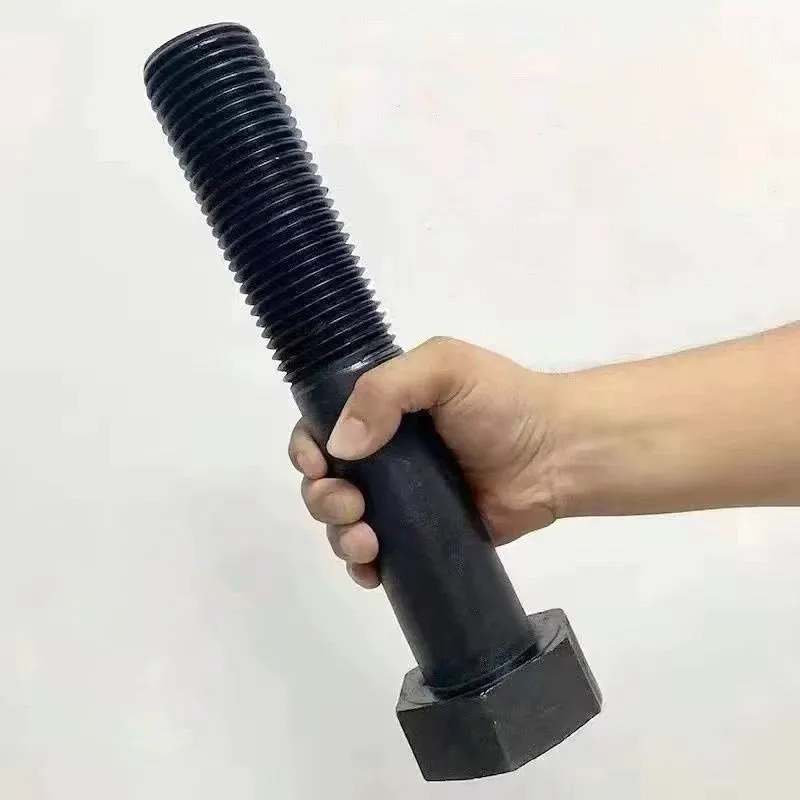
Underpinning any project with reliable anchorage matters more than it looks. The term Anchor bolts for concrete foundation isn’t just a label; it’s a method to fix heavy components to the ground. The bolts must be sized for the expected uplift and wind or seismic forces. Embedment depth, concrete Anchor bolts for concrete foundation strength, and the layout of bolt patterns all feed into a robust plan. When installed correctly, these anchors keep frames aligned during weather, shocks, and seasonal shifts, letting doors swing true and walls stay square during the first year of use.
Patterns that blend with brick and frame work
Manufacturers offer many grid patterns, but the aim is a balance between spacing and rigidity. Hex mesh is praised for uniform stiffness without overloading any single bar. Practically, teams examine bond, lap length, and edge protection to avoid corrosion and moisture ingress at the welds. The best practice aligns mesh with pour lines, so concrete pours stay consistent and the reinforcement remains hidden yet effective. A tidy pattern also speeds up inspections, since the mesh gets a simple, predictable review when the formwork is struck.
On-site realities when setting bolts and plates
Field teams prioritise accuracy over haste. Anchor bolts for concrete foundation need clean embedment holes, precise bolt projection, and a level base plate. Concrete dust and misalignment can ruin a set. With the right tools, crews measure plumb, then torque fasteners to spec. The result isn’t flashy, but it’s reproducible—frames line up, doors latch without effort, and the roof sits evenly. When workers mix grout properly, the base plate unites with the concrete so that vibration won’t loosen joints after the first service cycle.
Inspection habits that save time and money
Quality checks on reinforcement and anchors save costly rework later. Hex mesh requires viewing for sag, corrosion protection, and clear welds. A simple mirror check at the formwork edge can reveal hidden gaps. For anchors, inspectors look at embedment depth, spacing, and the correct use of washers and nuts. If any bolt sits high or low, even by a hair, patches become difficult and costly to fix. A short morning audit keeps the project moving without surprises and with a clear trace of what has been installed.
Conclusion
When the project calls for resilience, the right mix of Hex mesh and anchored fixings pays off in long life and fewer maintenance calls. The mesh spreads loads evenly, while anchors lock structural members to the foundation, resisting movement and weather alike. Builders who plan for this balance—considering pour sequence, edge protection, and bolt torque—see fewer cracks and less drift over time. In the end, the choice matters: a solid mesh layout paired with well-placed anchor bolts for concrete foundation keeps everything square, aligned, and ready for the next phase of construction.