

Fresh perspectives on a stubborn engine start
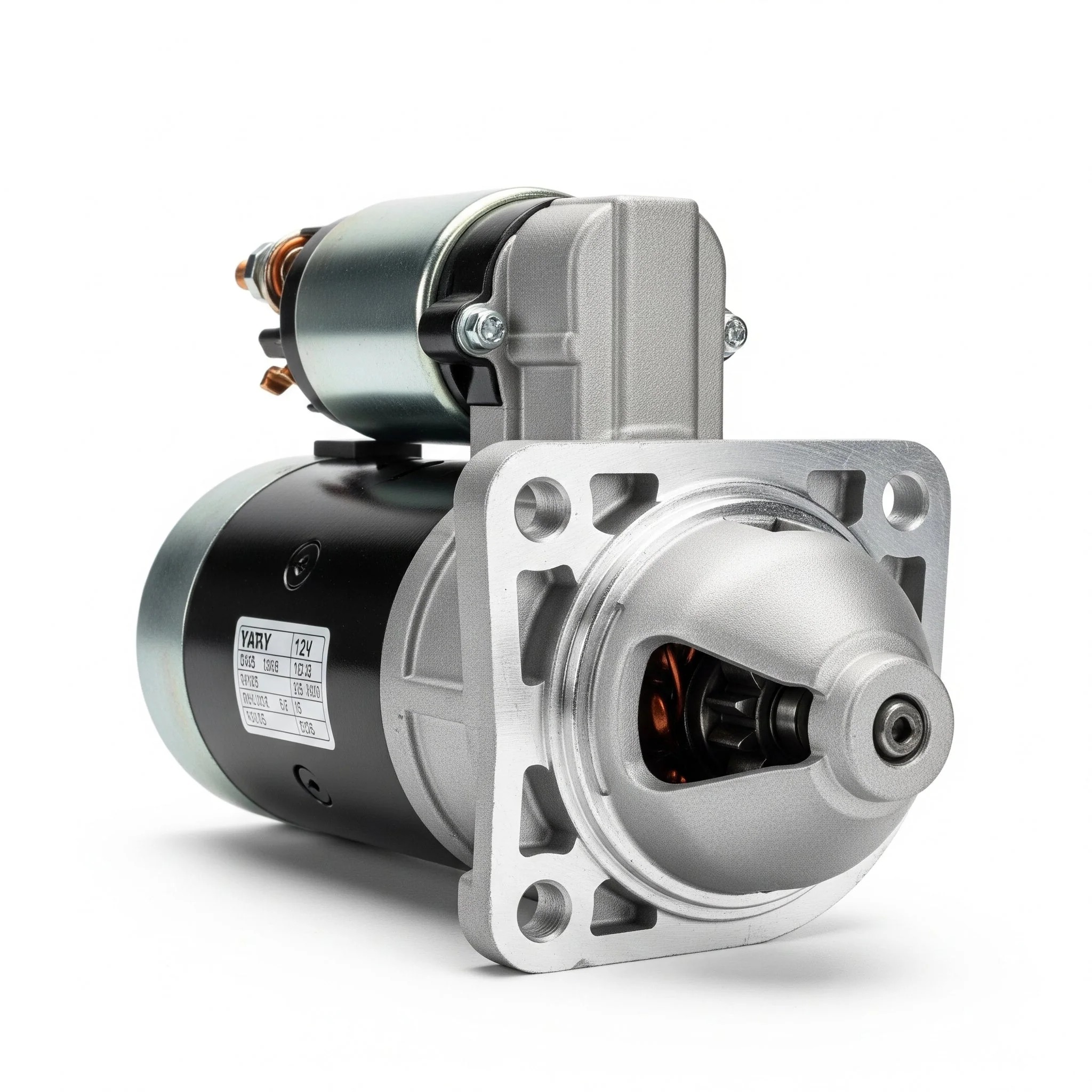
When the starter clicks but the engine won’t turn, the first thought is often misfiring, yet the culprit can be simple and straight. A new starter motor replaces worn brushes and rusty commutators that slow the crank. The swap buys reliability, but the job isn’t just bolt-and-go. It means checking the power path from battery new starter motor to motor, cleaning terminals, and verifying the solenoid engages cleanly. A careful install reduces heat build‑up, which chokes rotation. For a quick read on signs, watch for grinding noises, slow cranking, or a dashboard that drains battery in minutes. Small tests save big headaches later.
What to inspect in the charging and lighting kit
Modern cars depend on more than a strong turn of the key or a quick click. The system around the starter motor can leak or corrode, starving the motor of juice. Look at the alternator and its belt, the wiring loom, and the fuse box that feeds the dynamos and rotating electrics. If power wavers, the issue dynamos and rotating electrics isn’t always the motor; it can be a tired belt or a loose ground. Clean, tight connections and a fresh battery help the whole setup behave. It is worth focusing on the parasitic draw when the car sits overnight, not just on the day it starts smoothly.
Tips to plan a clean swap and reliable run
A thoughtful plan makes a swap smoother and longer lasting. Before ordering the new starter motor, measure the fit with the mounting holes and space behind the engine shield. Consider a unit with a higher torque rating if the vehicle has frequent starter‑for‑any-stress starts or cold climates. After installation, run a full electrical check: voltage drop tests, battery load, and a quick monitor of the alternator’s response. The goal isn’t the cheapest part, but one that lasts and resists heat. In practice, a careful install lowers the chance of returns and call‑backs from a shop visit later in the season.
Why this matters for everyday driving
Everyday life has a rhythm that’s hard to beat when the car fires up on the first attempt. A robust new starter motor is a quiet helper, nudging the engine from idle to roar with little drama. It’s not a magic fix for every blip, yet it clears a path for dependable starts in cold air and hot sun alike. Owners notice the difference in smoother cranking, quicker ignition, and less stray electrical chatter in the cabin. The right component does more than turn the engine; it preserves confidence in daily travel and long road trips alike.
Conclusion
Periodically checking the health of a vehicle’s powertrain keeps all vital parts in harmony. Replacing worn links in the chain, like a tired starter motor, prevents sticky starts and brittle clanks that hint at bigger trouble. The focus should be on practical, measurable steps: correct torque on mounting bolts, clean contacts, and a fresh charge path that invites steady current flow. This approach yields a quiet, reliable start and a system that behaves predictably under load. A well‑chosen component paired with solid wiring translates to fewer surprises on the road and more time enjoying the ride.