

Performance under pressure and the role of power tools
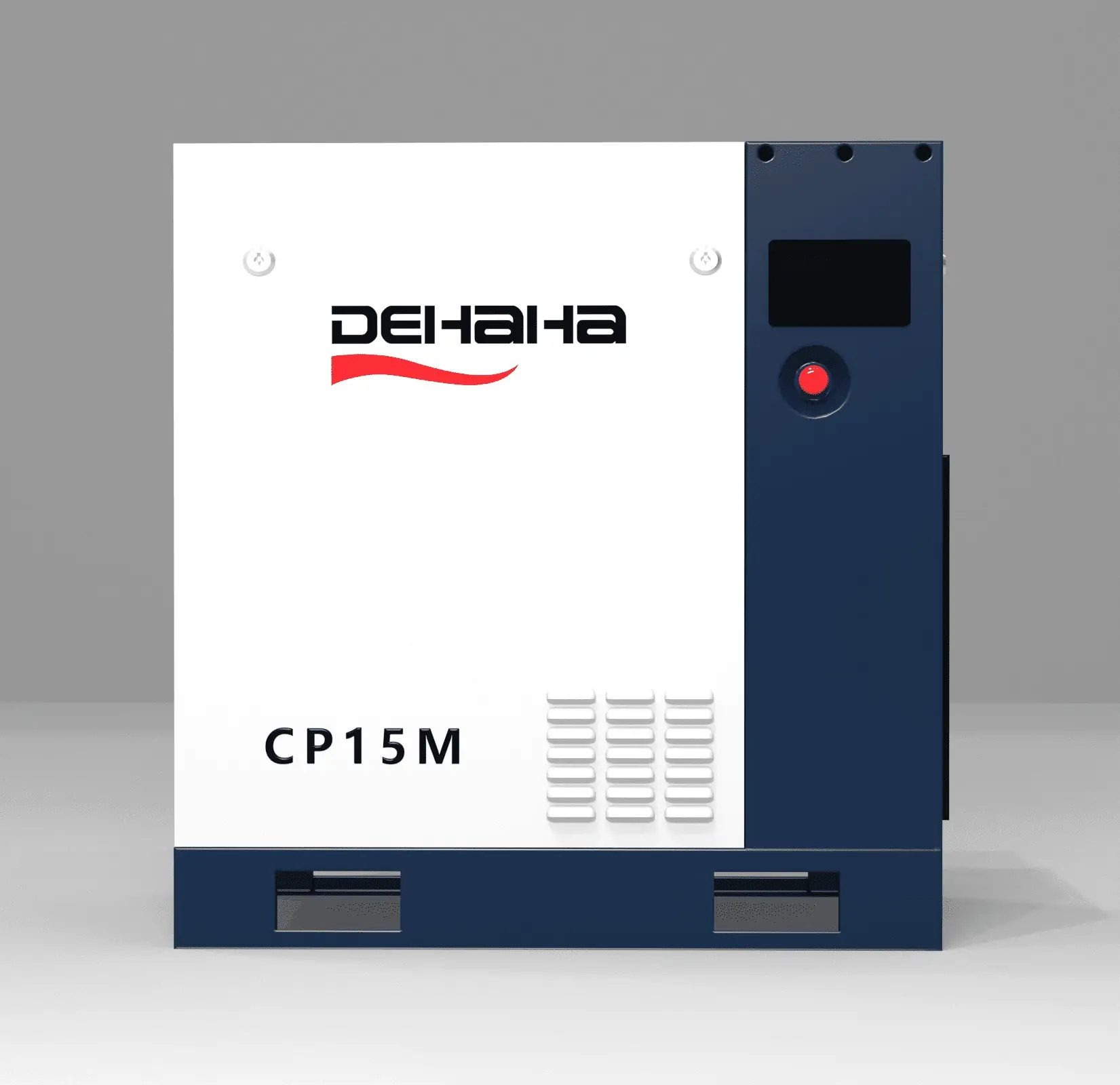
The workhorse in many fabrication shops is the laser cutting air compressor, chosen not for flash but for steady, clean air that feeds the laser head. Operators watch for stable pressure, minimal moisture, and quick recovery when lines spike. A compact unit sits close to the shop floor, front and centre, so technicians can laser cutting air compressor tweak settings between runs without a long pipe haul. In practice, the best systems marry a reliable vacuum and a snug filter pack, because even tiny particles can blur a crisp cut or slow an automated feed. The aim is consistent duty, not loud bragging.
Key parts and how they connect in a factory floor loop
Understanding screw compressor components helps managers choose a durable backbone for their airflow. Casting, bearings, and seals must tolerate daily cycling, dust, and heat. The trick is matching output to demand: a unit that breathes easy at 8 bar for laser work, yet idles quietly screw compressor components when idle time grows. Maintenance habits matter too; belt checks, oil levels, and inspection of hoses cut downtime. When components align, the line hums along, little to report, and operators gain real confidence in the day’s schedule.
Efficiency cues from real-world tuning and layout
In many shops, the synergy between a laser cutting air compressor and the surrounding workflow becomes visible in small details. Cool air cycles through heat exchangers in a way that avoids tempering the laser head, while fans spin at speeds that don’t blister seals. The layout matters—short runs, minimal bends, and a dry, clean intake keep water from forming clouds in the line. The result is fewer alarms, steadier cuts, and a plan that fits shifts and deadlines while keeping energy bills in check.
Rugged build, smart choice for long-term use
Shop buyers learn to value longevity when they examine screw compressor components side by side with cost. A well-built frame, reinforced mounting, and accessible service points cut downtime and extend life. Downstream piping should flow with little turbulence, and moisture traps must be easy to drain. If a unit runs hot, that heat usually means a clogged filter or a weak condenser, not a mystery fault. Practical design choices pay back in lower service bills and more reliable production days.
Conclusion
Across diverse workloads, the interaction between airflow hardware and cutting tools shapes output as much as blade speed or laser power. A careful blend of robust air supply, dependable components, and careful layout delivers steady performance when projects demand tight tolerances and quick turnarounds. This approach fosters predictable cycles, fewer interruptions, and stronger overall efficiency, making it a sensible path for shops aiming to keep a tight line on costs and quality. dhhcompressors.com