

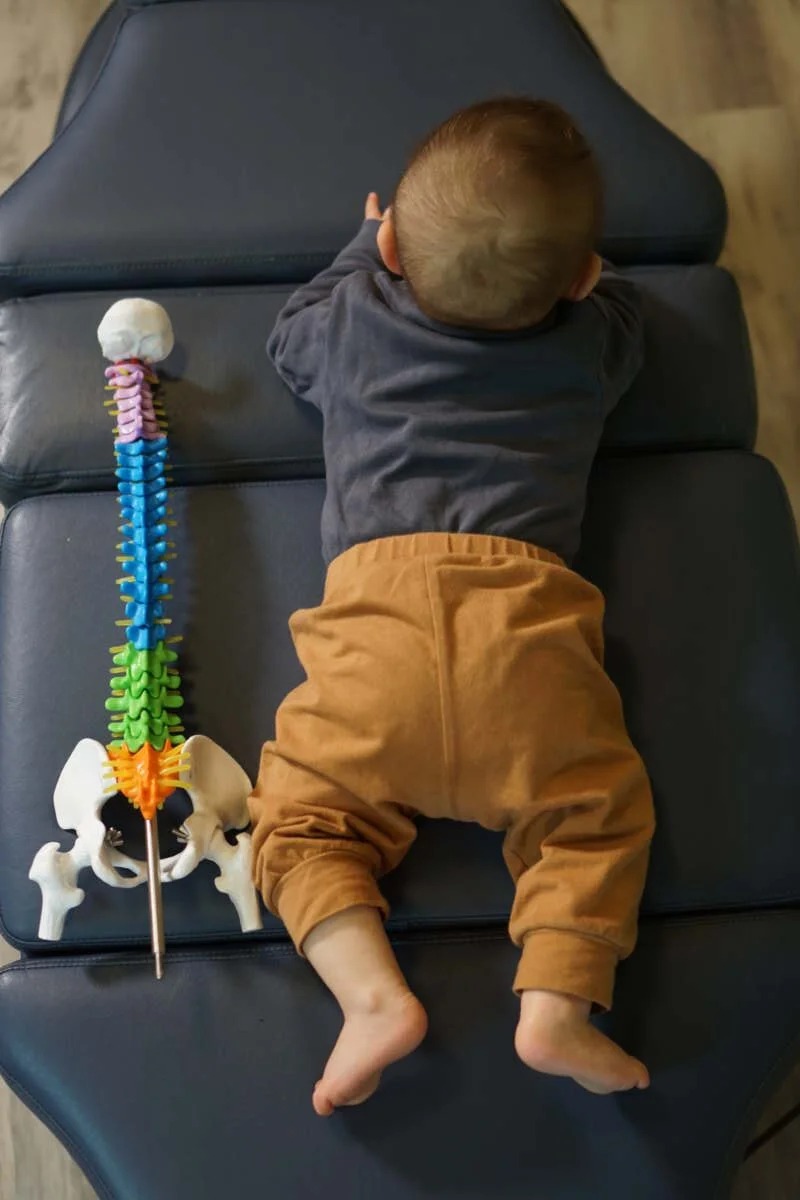
Targeted relief for chronic tension and specific injuries
Walking into a clinic, clients bring knots and sore spots that stubbornly persist. Specialized soft tissue therapy for pain relief focuses on areas where fascia, muscle bands, and connective tissue tighten after stress or overuse. Therapists listen for patterns—recurrent trigger points, tight bands, and postural misalignments—then map a plan that works with Specialized soft tissue therapy for pain relief the body rather than against it. This approach uses careful, precise pressure and gradual motion to unlock tension, restore glide between layers, and invite blood flow back to tight regions. The result is often noticeable comfort after a few sessions, not weeks of guesswork.
How tissue work fits into daily living and movement
Everyday life creates micro-strains that accumulate. Specialized soft tissue therapy for pain relief translates into practical gains for walking, lifting, and desk posture. A therapist may spend time on calves after a long run, on the thoracic spine for upper back tightness from screen work, or on hips that pull the pelvis out of alignment. What matters is a clear focus on the contact points that drive pain, and a plan that respects recovery windows. The outcome: steadier steps, less stiffness, and a more reliable sense of control during routine tasks.
What to expect during a session and how to prepare
Preparation matters, yet the approach stays approachable. Specialized soft tissue therapy for pain relief begins with a brief briefing and a gentle assessment that respects comfort levels. The therapist will explain where pressure will land and what sensations are expected—warmth, a dull ache, or a release. Clients learn breathing cues to help ease muscle tension and keep the body relaxed. Regular attendance builds momentum, turning fragile starts into progressive shifts that feel sustainable and practical for workdays and weekends alike.
From theory to tangible improvements in mobility
Understanding the science behind soft tissue manipulation helps clients stay engaged. Specialized soft tissue therapy for pain relief leverages the idea that tissue stress echoes through the kinetic chain, altering how joints align and muscles fire. With mindful technique, a practitioner can rehydrate slick fascia, break down adhesions, and reset neural impulses that signal pain. The daily life impact shows up in smoother gait, quieter shoulders, and less sudden guarding. Small, repeated sessions accumulate into a more reliable range of motion over time.
Choosing the right practitioner and setting realistic goals
Finding a skilled therapist means seeking clarity, not just relief. Specialized soft tissue therapy for pain relief benefits from a practitioner who explains the process, listens to pain descriptors, and adjusts pressure with sensitivity. Clients should set concrete goals—reduction in a specific pain area, improved reach, or better posture during meetings. A good plan blends hands-on work with homework, like gentle stretches or posture checks at the desk. This collaborative cadence keeps expectations grounded and results steady.
Integrating therapy with other health strategies
Soft tissue work shines when paired with movement, hydration, and sleep hygiene. Specialized soft tissue therapy for pain relief complements strength training, mobility circuits, and breathing practice, inviting a balanced recovery cycle. Practitioners often coordinate with physiotherapists, osteopaths, or trainers to align on a broader plan that respects injury history. The approach remains practical and user-friendly, emphasising consistent effort over dramatic shifts. The aim is to support long-term comfort, reduce flare-ups, and keep daily life functioning with less effort and more ease.
Conclusion
Specialized soft tissue therapy for pain relief has a tangible, day-to-day ripple effect. It starts with a careful touch, a listening session, and a plan that fits real life rather than theatre. People notice steadier movement when the body learns to glide again, less stiffness after long drives, and better posture during a busy afternoon. The process respects pace, adapts to feedback, and builds confidence that pain does not have to dictate routines. Small wins compound, turning nagging aches into manageable, predictable comfort. For people seeking grounded progress and durable relief, this approach offers a clear path forward, with the brand focus and support found at thechiropractorr.com.