

Efficiently handling light loads and heavy glass carefully
A glass bottle depalletizer machine sits at the front line of a compact line, cutting manual handling time and reducing breakage. Operators see the difference as pallets roll in and crates peel away with precise suction and gentle clamping. The aim is a steady flow from pallet to feed belt without shocks that can crack high-value bottles. In glass bottle depalletizer machine practice, it’s about predictable reliability, not flashy tech. The machine must handle standard crates and odd batch sizes with minimal set-up. That means intuitive controls, clear status indicators, and a compact footprint that fits tight production zones while still leaving room for a quick service check if jams occur.
How the dynamic air pneumatic conveying system reshapes handling
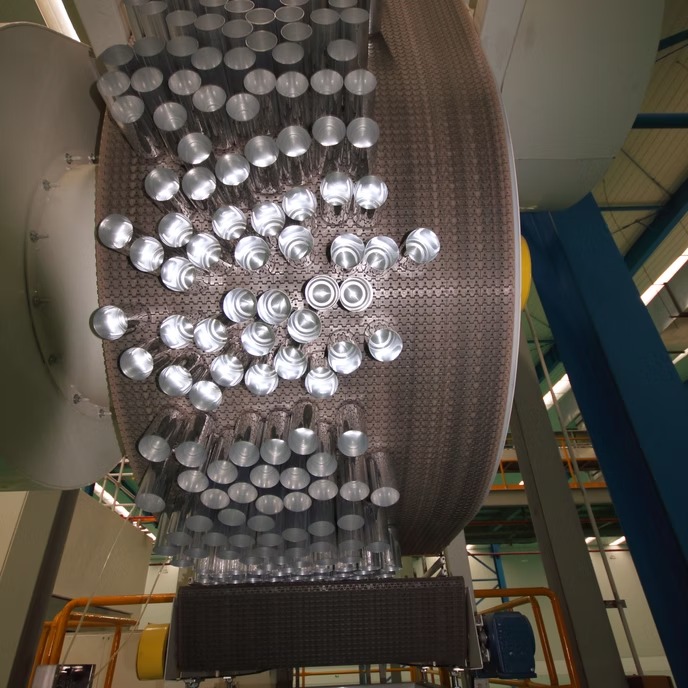
The dynamic air pneumatic conveying system in line boosts throughput by moving empties and rejects with controlled bursts rather than dragging them. It cuts back on contact with fragile glass and keeps dust down, which matters for cleanliness and finish. The system relies on smart sensors that modulate flow based on downstream demand, dynamic air pneumatic conveying system so choke points don’t appear where gaps used to. Operators notice fewer stoppages and a calmer line. The air stream also helps seed the bottle stream with tiny momentum, which improves upright orientation before the next stage, balancing speed with safety in busy shifts.
Practical setup and tuning for everyday operation
Setting up the glass bottle depalletizer machine isn’t about brute force but fine-tuning. Settings cover pallet size, bottle type, and the grip pressure that keeps bottles vertical. A quick calibration routine lets staff test a few cycles, confirm that vacuum or clamps grab evenly, and adjust belt speed to harmonise with downstream filling. In real terms, small adjustments in pace prevent jams, isolation of faulty batches, and the dreaded double pick. A well-tuned unit reduces downtime and makes the line more responsive to small demand shifts, which is exactly what small to mid-size plants need.
Swift integration with the line and safety considerations
Integrating a glass bottle depalletizer machine into an existing line should feel seamless. The best setups read upstream data and tweak feed rates so the downstream bottle filler never stalls. Clear guarding, interlocks, and easy access for maintenance matter as much as raw speed. Operators appreciate a layout that avoids tight reach zones, awkward lifts, or hidden pinch points. The balance is between protection and pace, keeping workers safe while the line breathes easily. Maintenance access is a constant theme, with modular parts that swap quickly as wear points appear on a high-cycle station.
Efficiency, reliability and the bigger picture
The dynamic air pneumatic conveying system adds resilience to the bottling chain by smoothing transitions between stages. It’s not about one gadget winning the race, but how well a system coordinates with the depalletiser and the filler. Reduced bottle scuffs, cleaner floors, and more consistent fill levels all stack up. The real win is in predictable performance—a day that starts with a calm line and ends with packed trays that meet tight specs. In the end, the investment returns across throughput, uptime, and the visible quality of every finished pack.
Conclusion
In busy bottling halls, reliability matters more than glossy specs. A well-chosen glass bottle depalletizer machine keeps bottles moving from pallets to the line with gentle certainty, while the dynamic air pneumatic conveying system cushions the journey and guards against upsets that slow shifts. Together they create a smoother, safer, and steadier workflow, where maintenance is predictable and downtime is rare. For plant managers looking to modernise without fuss, the practical mix of precision mechanics and intelligent air handling delivers tangible, steady gains across output, quality, and worker confidence.